Switching to e-Invoicing in Turkey: A Practical Guide for SMEs
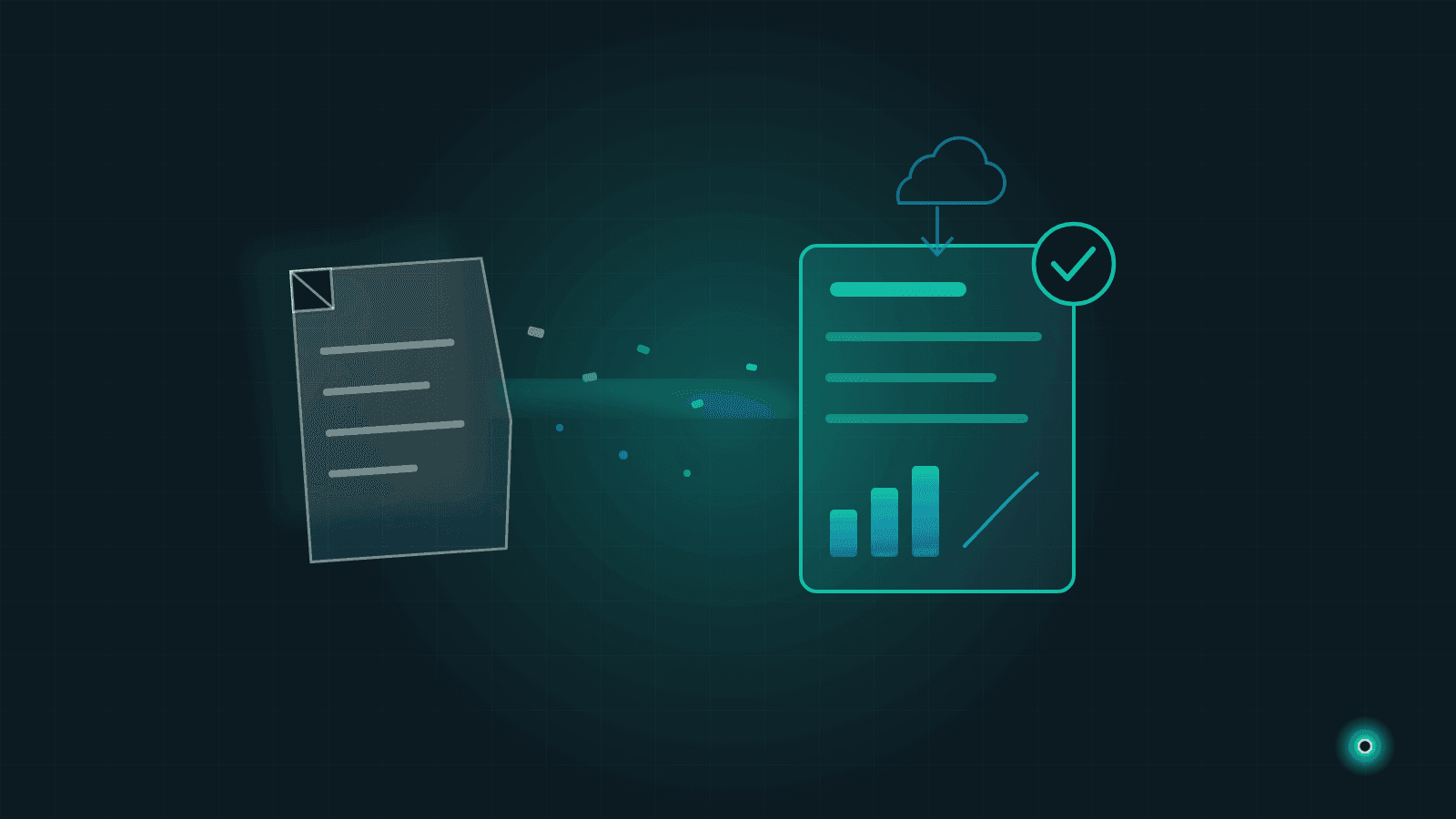
An e-invoice (e-Fatura) and an e-archive invoice (e-Arşiv Fatura) are the two electronic document types that replace paper invoicing in Turkey, issued and stored digitally under standards set by the Turkish Revenue Administration (GİB). An e-invoice travels fully digitally between businesses registered in the system, while an e-archive invoice is the electronic version of invoices issued to recipients outside the system — end consumers, for example.
As of 2026, the scope of Turkey's e-document mandate has expanded significantly. The rules no longer apply only to large corporations: smaller businesses, sole proprietorships and e-commerce sellers are increasingly covered. In this guide we walk through the transition step by step — not as a chore, but as an opportunity to digitalize your business.
What Is the Difference Between an e-Invoice and an e-Archive Invoice?
Both documents are created electronically; the real difference is who receives the invoice and how.
An e-invoice works within GİB's closed system. Both you and your customer must be registered in it. The invoice moves digitally between the two parties — no printing, no postage, no courier. The recipient sees the invoice in their own system and, when the commercial invoice scenario is used, can send an acceptance or rejection through the same channel.
An e-archive invoice, on the other hand, is for recipients outside the system: end consumers, or businesses that have not yet made the switch. The document is created and stored electronically, and it can be delivered to the recipient by e-mail or as a printed copy when needed.
In practice, most businesses use both: e-invoices for registered counterparties, e-archive invoices for everyone else. So the answer to "which one should I switch to?" is usually "both at once" — and the applications are typically completed in the same process.
Who Does the e-Invoice Mandate Cover in 2026?
For years, e-invoicing was seen as "a big-company thing". That perception is now outdated. The scope of the mandate keeps widening step by step, and the transition proceeds in stages based on revenue thresholds and taxpayer type. In 2026 this expansion accelerated noticeably; sole proprietorships and e-commerce sellers are increasingly part of the regulation. Confirm which threshold and date applies to your business via gib.gov.tr and your accountant.
The "it won't reach me yet" mindset carries two risks. First, realizing too late that you are in scope and rushing the transition with a method that does not fit your business. Second, missing the legal deadline altogether. Planning the switch on your own calendar, with a clear head, is always cheaper and far less stressful.
One important note: thresholds, dates and penalties are updated regularly. To find out when your business falls into scope, follow the current rules on gib.gov.tr and always consult your accountant.
What Does Switching to e-Invoicing Actually Get You?
Treating the switch as nothing but a legal obligation means missing its most useful side. The concrete gains:
- No more paper, printing and courier hassle. Printing invoices, stuffing envelopes, shipping them, re-sending lost ones... that whole loop disappears.
- Invoices reach the recipient instantly. The "we never received the invoice" excuse is gone, payment terms start ticking clearly, and collections become easier to track.
- Your archive becomes searchable. Finding an invoice from two years ago is a few seconds of search instead of an afternoon of folder digging.
- Fewer errors. As manual data entry shrinks, so do wrong amounts, missing details and duplicate invoices.
- Your invoices turn into data. Every e-document is a structured digital record that can feed reporting and analysis directly. We will come back to this at the end of the article.
How Do You Switch to e-Invoicing? Which Path Fits You?
There are three main routes. None is absolutely better than the others; what matters is choosing the one that fits your volume and infrastructure.
1. The GİB portal: The web interface offered by the Revenue Administration. Invoices are issued one by one, manually, with no extra software to install. It is a reasonable starting point for businesses that issue few invoices a month and need no automation; as volume grows, manual entry becomes tiring.
2. A private integrator: Intermediary companies licensed by GİB. Your invoices are issued, delivered and stored through the integrator's infrastructure. You can also connect your own software to the integrator — if you are curious how that connection works, our article on what an API is and why it matters offers a plain-language starting point. This route suits businesses with high invoice volumes that want automation.
3. Accounting or ERP software integration: Activating the e-invoice connection of the commercial software you already use. Invoices are issued from the screen you know; customer cards, stock and collections stay in one place. If connecting your ERP, CRM and e-commerce systems is already on your agenda, planning e-invoicing as part of that same picture is the most efficient path.
When choosing, ask three questions: How many invoices do you issue per month? What shape is your current software in? How much of the process do you want automated?
What Should You Prepare Before the Switch?
Businesses that struggle during the transition rarely have a technology problem — they have a messy-data problem. Before applying, we recommend the following preparation.
Clean up your customer and account records. When issuing an e-invoice, the recipient's tax ID, legal title and address must be correct; wrong details cause invoices to be rejected or delayed. If your customer information is scattered across Excel files and different programs, this is a great moment to consider moving beyond Excel to a central database and solve two problems at once. While weeding out duplicates and gaps, the approach in our article on why data quality matters makes a solid roadmap.
Plan how your existing software will connect. Will your bookkeeping tool, your e-commerce panel and your chosen e-invoice solution talk to each other? Answering this before you apply saves you from typing the same invoice into two systems later.
Set the timeline with your accountant. List the application steps, the financial seal or e-signature you need, and the testing process together — and let them lead on the regulatory side.
Give your team practice time. Letting everyone who issues invoices try the new screen with a few test documents keeps the first week panic-free.
Your Invoice Data's Second Life: Reporting and Analysis
Paper invoices used to be forgotten in binders. e-Documents are structured digital records: every invoice carries customer, product, amount, date and due-date information in a standard format.
That opens a new possibility for your business. Which customers buy how often? Which products sell in which months? Is your average collection period getting longer? The answers now sit ready inside your invoices — no folder digging required. Our article on what business intelligence brings to your company shows how this kind of data turns into a decision-support tool.
This is the invisible but most valuable long-term gain of the transition: while fulfilling a legal obligation, you also build one of your business's most reliable data sources.
Let Us Handle the Technical Side
The regulatory side of the e-invoice transition belongs to your accountant; the technical side is our job. At Lumethis we give SMEs practical support — from cleaning up customer records to integrating your existing software with your e-invoice solution and building reporting screens on top of your invoice data. If you are planning the switch, get in touch, and take a look at our services to see what we do on the data and integration side.
Once the e-invoicing side is settled, the next threshold is the e-ledger: keeping the journal and general ledger electronically and uploading their attestations. Who is in scope and what to prepare before year-end is covered in the e-ledger transition guide.
This article is not tax or legal advice. The scope of the mandate, thresholds and dates may change; for up-to-date guidance specific to your business, rely on gib.gov.tr and your accountant.
Frequently Asked Questions
- What is an e-archive invoice in Turkey?
- An e-archive invoice (e-Arşiv Fatura) is an electronic invoice issued to recipients who are not registered in Turkey's e-invoice system, such as end consumers. The document is created and stored digitally and can be delivered by e-mail or as a printed copy. Its key difference from an e-invoice is that the recipient does not need to be registered in the Revenue Administration's system.
- Who is covered by Turkey's e-invoice mandate?
- The scope widens gradually; as of 2026 it increasingly covers smaller businesses, sole proprietorships and e-commerce sellers. Who must switch depends on revenue and taxpayer type, and the criteria are updated regularly. For the current thresholds and dates, check gib.gov.tr and consult your accountant.
- How do you switch to e-invoicing in Turkey?
- There are three main routes: using the Revenue Administration's (GİB) portal directly, working with a licensed private integrator, or activating the e-invoice integration of your accounting/ERP software. The portal can be enough at low invoice volumes, while integrators and software integration save time as volume grows. Obtaining your financial seal or e-signature and cleaning up customer records before applying speeds up the process.
Need help with this topic?
Contact Us