What Is an API and Why Does It Matter for Your Business?
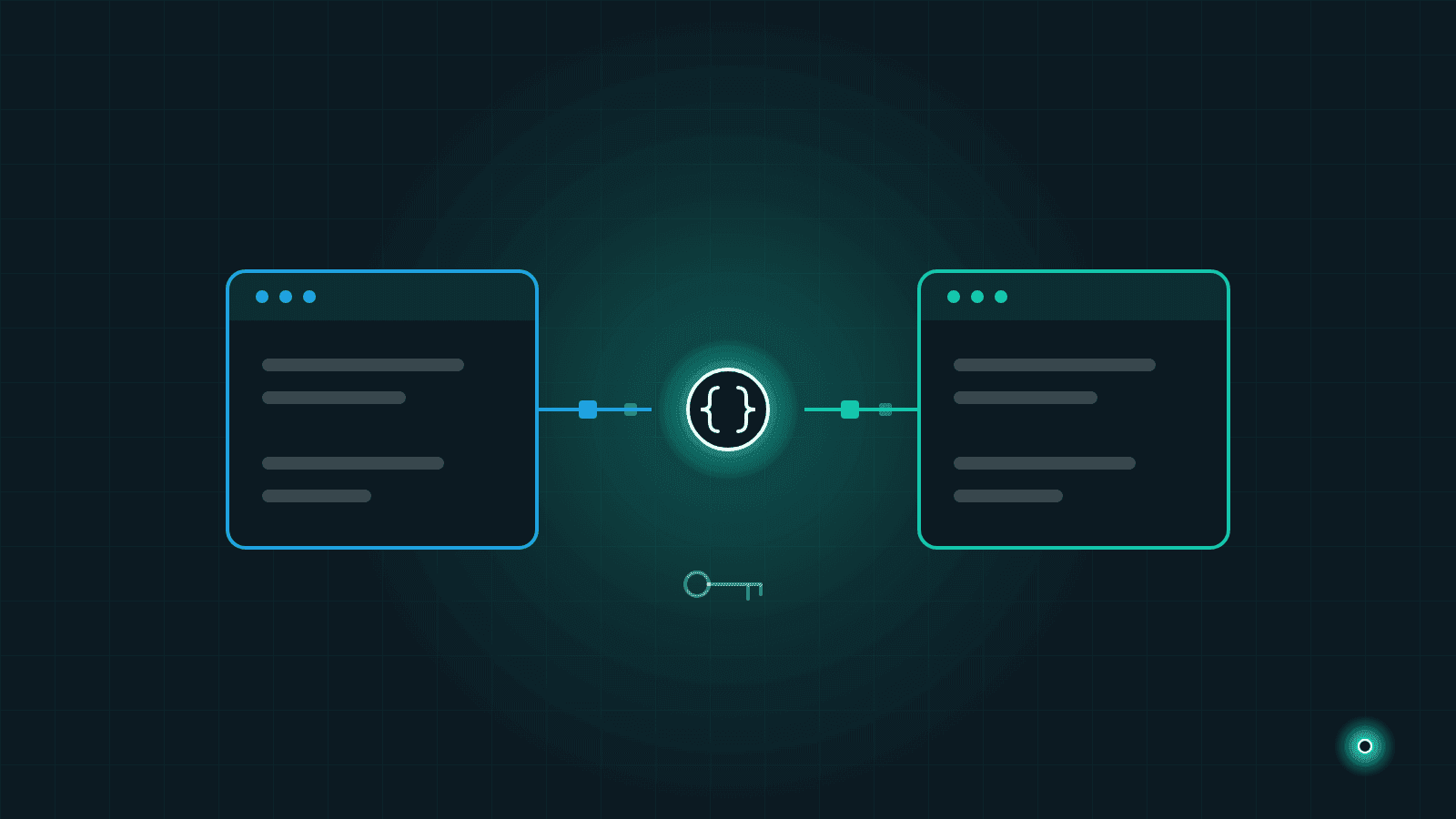
You've almost certainly heard the word "API" from a developer, from the vendor behind your accounting software, or from an e-commerce consultant. Those three letters sound technical and maybe a little intimidating — yet they're one of the unsung heroes of modern business. The reason your systems can talk to each other, and data can move from one place to another on its own, comes down largely to APIs.
Here's the good news: you don't need to be a programmer to understand what an API does. In this article we'll explain, without any jargon and with examples from everyday life, what an API is, why it matters for your business, and exactly when it quietly steps in.
Our goal is simple. The next time you see "API integration" in a proposal, you'll know precisely what you're buying and what it does for you.
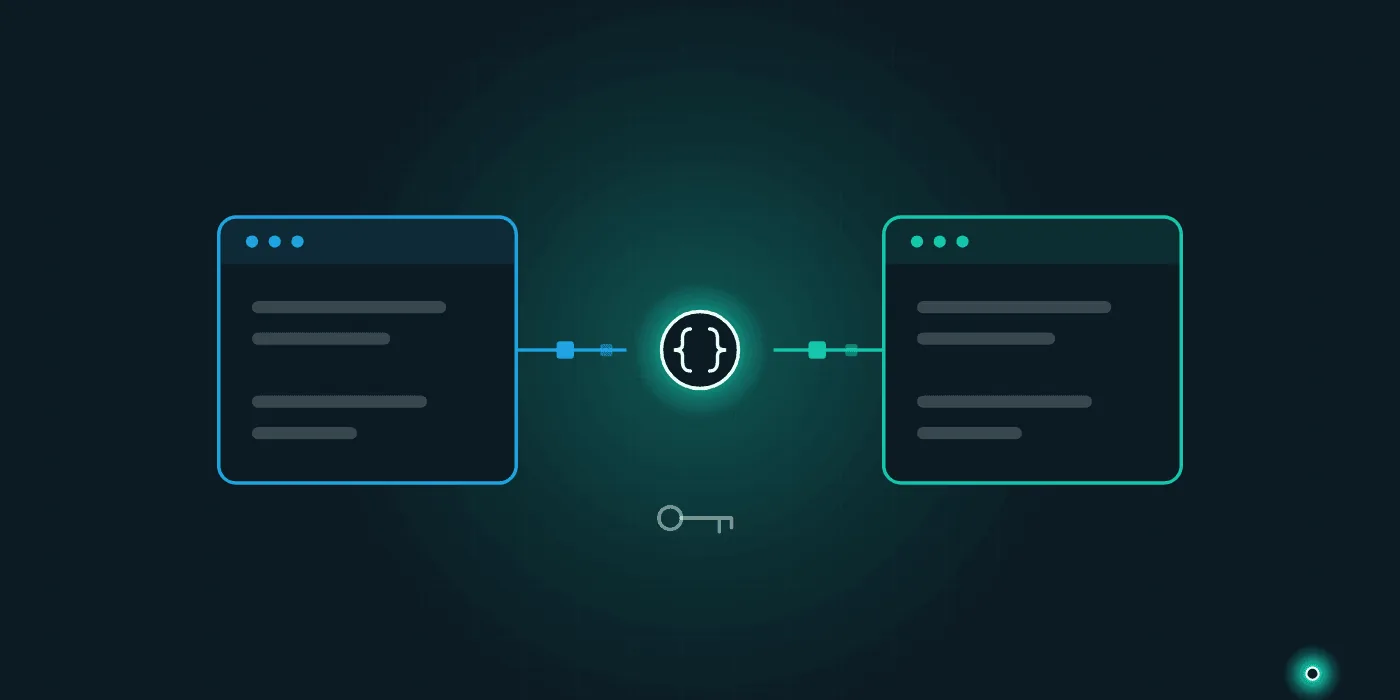
Think of an API as a waiter at a restaurant
Picture yourself at a restaurant. You don't walk into the kitchen and cook your own meal; you look at the menu, tell the waiter what you'd like, and a little while later your plate arrives. You never need to know how the kitchen works or which pan your dish was cooked in. All you do is describe, in plain language, what you want.
An API is that waiter. The letters stand for "Application Programming Interface," but the name really doesn't matter. What matters is the job it does: it lets two different pieces of software talk to each other. One program says "give me this information" or "do this task," and the API passes that request along in a way the other system understands, then brings back the answer. Neither side needs to know how the other works on the inside — just as you never need to see the kitchen.
You already use APIs dozens of times a day
APIs work quietly in the background, so you rarely notice them. But they kick in constantly:
- When you take a card payment: the moment a customer taps their card, your POS device talks to the bank through an API, asks "is this amount available?" and gets an answer within seconds.
- When you show your location on a map: the "find us" map on your website is fed by your map provider's API.
- When you issue an electronic invoice: your accounting software sends the invoice to the official system through an API, so you handle it with a single click.
- When you track a shipment: the "your parcel is on its way" update is information pulled from the courier's API.
- When an automatic SMS or email goes out: the "we've received your order" message sent to a customer travels through a messaging service's API.
In other words, APIs are already part of your day. The real opportunity lies in setting these connections up deliberately, in your business's favour.
Why APIs matter for a small business
In small and mid-sized companies, one of the biggest time sinks is entering the same data into several places by hand. Typing the same order into your e-commerce panel, then your accounting software, then your shipping screen is both tiring and a common source of mistakes. This is exactly where APIs earn their keep:
- Systems talk to each other: when your online store makes a sale, the information flows automatically into accounting and stock management.
- Data is never entered twice: human error drops, and your team is freed from copy-paste work.
- They lay the groundwork for automation: "when this happens, do that" rules only work if your systems can actually communicate.
- They add new abilities to your software: instead of building a feature from scratch, you plug in a ready-made service's API to gain, say, SMS sending or maps.
In short, APIs convince your separate programs to work like a single team. If you'd like to go deeper, take a look at our piece on connecting ERP, CRM and e-commerce systems.
When do you actually need an API?
Here's a simple rule of thumb: if you're entering the same piece of information into two different programs, there's an API waiting to help. Common situations include:
- Connecting your online store to your accounting software so every order turns into an invoice automatically.
- Linking accounting with your shipping system so a confirmed order generates its shipping label on its own.
- Adding a new CRM contact to your email list without lifting a finger.
- Sending a website form straight into the dashboard your sales team already uses.
The classic version of this chain is e-commerce ↔ accounting ↔ shipping. When all three talk through APIs, everything from an order landing on your site to a tracking code reaching the customer moves along without manual steps. When you're deciding which parts to solve with custom software and which with ready-made services, our article on choosing between custom software and off-the-shelf tools can help.
What about security?
Once your systems are connected, security rightly comes to mind. The foundation of API security is something called an API key. Think of it like the key to your home: only whoever holds the right key can open the door.
A few things worth understanding at a conceptual level:
- An API key is an identity: it lets one system tell another "I'm authorized."
- Access is limited: in a well-built connection, each key can only perform the operations it needs — it doesn't open every door.
- Keys don't sit out in the open: emailing an API key around, writing it into a website's visible code, or sharing it casually is like leaving your house key on the doorstep. Keys should be stored securely and renewed when needed.
Setting these details up correctly is a technical job, but understanding the logic is more than enough to ask the right questions. Our article on whether the cloud or your own server suits you better is a useful companion read on where your data lives and how it's protected.
Where does Lumethis fit in?
Done right, building and connecting APIs creates an invisible but powerful backbone; done wrong, it turns into a constant, breakdown-prone headache. This is exactly where Lumethis steps in: we review your existing software, work out which systems need to talk to each other, and build the connections between them in a secure, sustainable way. A large part of the data and software services we offer answers this very need for integration and automation.
Whether you want to link your e-commerce, accounting and shipping into a single chain, or add new abilities to software you already run, get in touch with us to make your systems talk through APIs. Let's map out together which connections your business really needs.
Need help with this topic?
Contact Us