What Is a Digital Product Passport? A Data Guide for Manufacturers
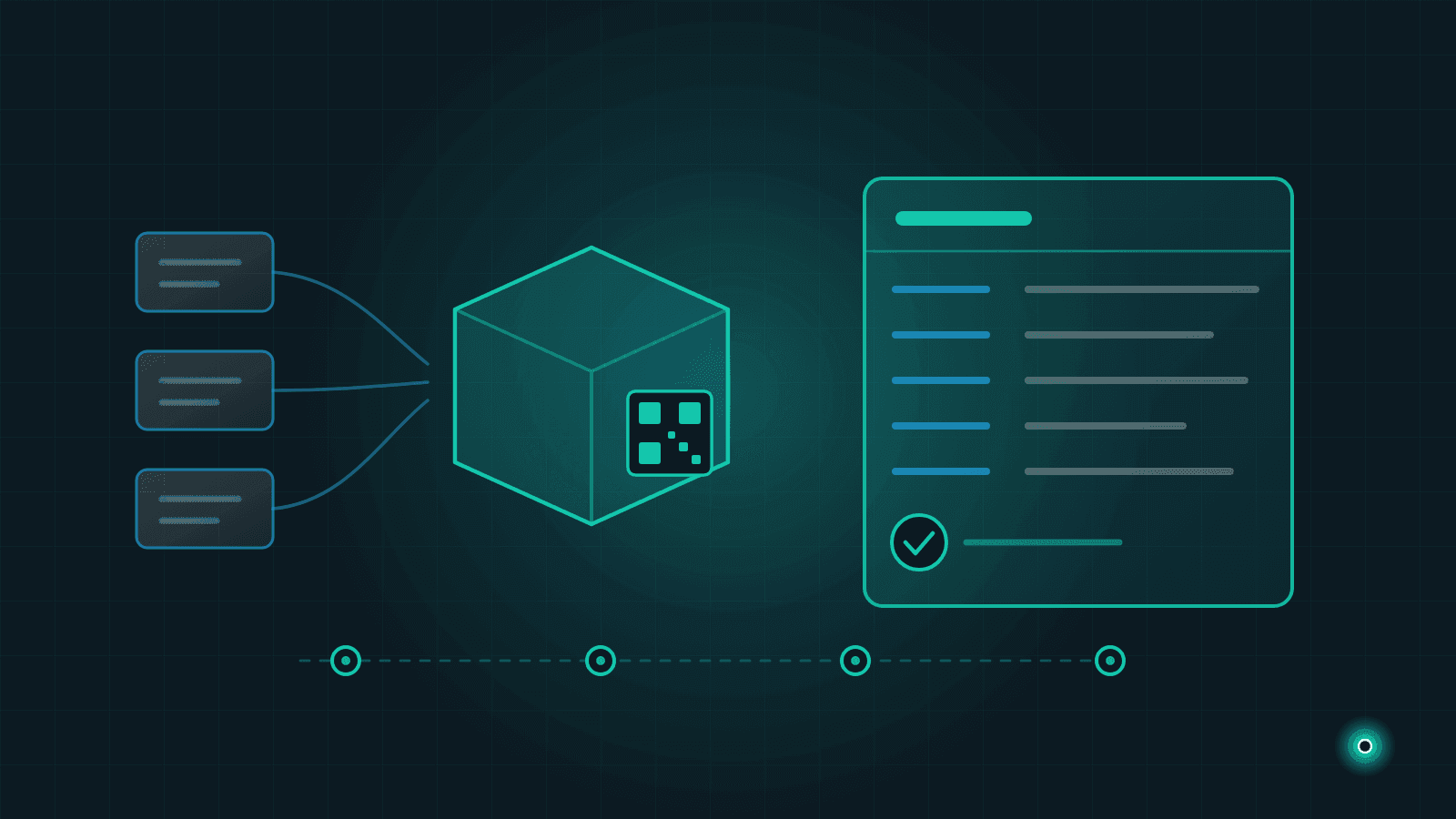
A European buyer asks what share of your product is recycled content. To answer, you e-mail three suppliers, wait two days, and type what comes back into a spreadsheet.
Soon that question will not arrive by e-mail. It will be asked by scanning a code on the product — and the answer will have to be sitting there already.
The subject is the Digital Product Passport.
This article is for information only and is not legal advice. For scope, product groups and dates, rely on the European Union's official texts and on announcements from your trade ministry and exporters' associations.
What is a digital product passport?
A digital product passport (DPP) is a digital record holding a product's sustainability, traceability and circularity information across its entire life cycle, in a standard, machine-readable structure.
It is taking shape under the EU's Ecodesign for Sustainable Products Regulation (ESPR). It attaches to the product through a QR code or a similar data carrier, so whoever scans it can see what the product is made of, where it was made, how it is repaired and what to do when its life ends.
Two words matter there: standard and machine-readable. A PDF catalogue or a product page on your website does not do this job. What is required is structured data that other systems can read and process directly.
Who does it cover — is it mandatory outside the EU?
In countries like Türkiye, DPP is not yet a local legal requirement. That does not make it a distant issue.
The logic of ESPR is this: it looks not at where a product was made but at whether it is placed on the EU market. A non-EU manufacturer selling into the EU, and their EU importer, are inside that frame. Given how large a share of many countries' exports goes to the EU, this concerns a wide slice of industry.
In practice the obligation usually arrives through contracts before legislation. Your EU buyer needs the data to satisfy their own compliance; a supplier who cannot provide it drops off the list. So the real risk is not a penalty — it is a lost order.
How does the timeline work?
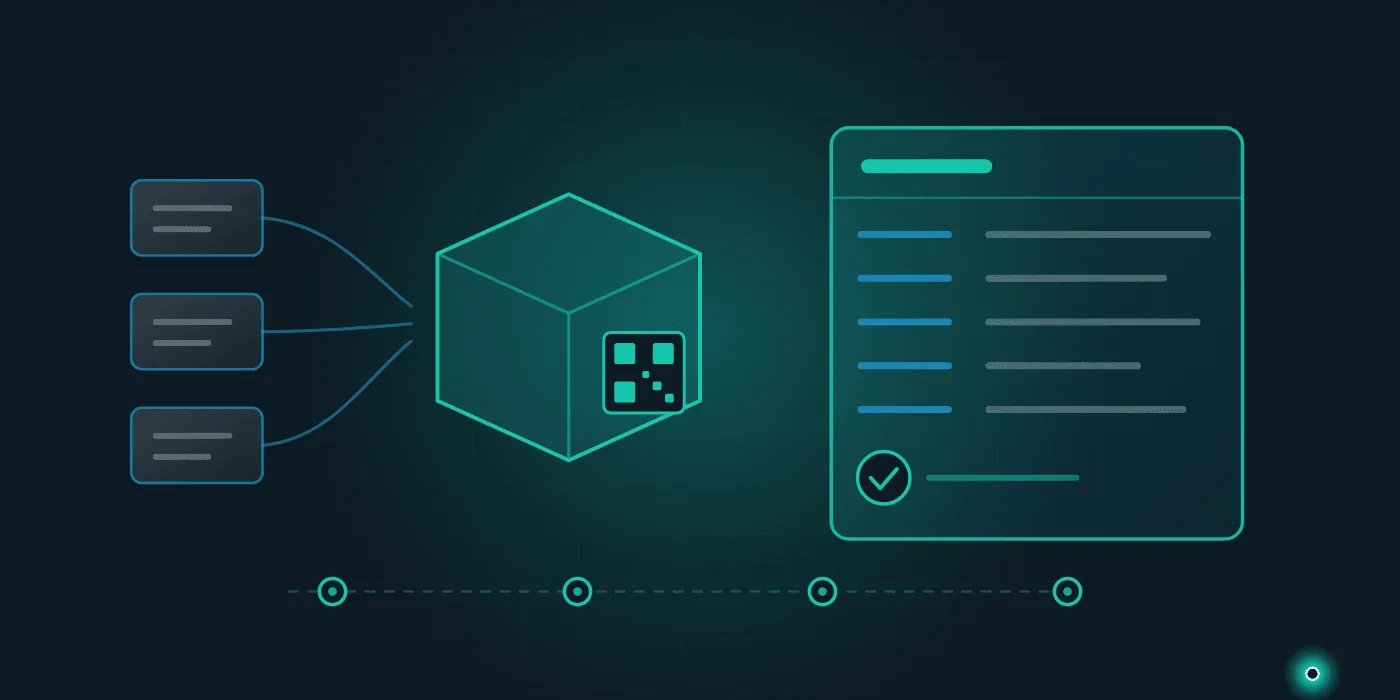
It does not arrive all at once; it phases in product group by product group.
The clearest known date is for batteries: from 18 February 2027, a digital product passport becomes mandatory for certain battery types. Textiles and apparel are among the priority product groups, while tyres, furniture and mattresses are targeted for later years in the working plans.
Some of those dates are targets and continue to firm up. That is why it is sounder to build your plan not as "on this date I will do that" but as "I will make the data collectable starting now".
Which data is required?
It varies by product group, but the core headings are similar:
- A unique product identifier. Something that distinguishes each product — sometimes each batch, sometimes each individual item.
- Manufacturer and supply chain information. Who made it, in which facility, which input came from which supplier.
- Material composition. Especially recycled content share and the presence of substances of concern.
- Place and date of manufacture.
- Repair and spare part information. How the product opens, which parts can be replaced.
- End-of-life instructions. Disassembly, recycling, disposal.
- Certificates and documents. Test reports, declarations of conformity.
Looking at that list, most manufacturers say "we already have all of this". Partly true. The problem is not whether the data exists but where it sits, in what form, and how current it is.
The hard part is data order, not technology
The difficult part of this work is not printing a QR code. It is these three questions:
1. Does the data live in one place? If material information is in production, certificates with quality, supplier data in purchasing and product descriptions in marketing, there is no single truth. That is exactly the disconnected-data problem we described in ERP, CRM and e-commerce integration.
2. Is the data trustworthy? The same material recorded under three spellings, blank fields, supplier details never updated. Data quality problems come back here directly as non-compliance.
3. Can the data be handed out? If your system has no door to the outside, every request becomes a file assembled by hand. The door we described in what is an API exists for precisely this.
If product data still circulates in spreadsheets, preparation actually starts there: moving beyond Excel.
Five things you can do now
There are steps worth taking before the rules finalise — and all of them pay off regardless:
1. Build a product data inventory. Which information sits where, who updates it, how often? A one-page table is enough.
2. Settle your unique identifier scheme. Are your product codes consistent, is there batch or serial tracking? This is the most expensive thing to fix afterwards.
3. Ask suppliers for data in a standard form. Merging information that every supplier sends in their own format is the biggest time sink. Distributing one simple fixed template solves it up front.
4. Tidy the document archive. Certificates and test reports should be stored linked to the product; hunting for "which folder was it in" is the invisible cost of compliance.
5. Ask your EU buyer. This is the fastest route: "which data will you want from us, in which format?" Most buyers are already well into their own preparation.
The opportunity side
Regulation like this is usually seen as a cost. Getting product data in order brings other returns too.
A manufacturer with traceability in place can see within minutes which batch and how many units a complaint affects. A business that keeps material composition properly can track cost increases per product, which feeds straight into pricing and margin analysis. A company with orderly supplier data makes better calls in inventory management too.
In other words, DPP preparation is the long-postponed job of "let us get our product data in order" finally acquiring an external deadline.
Where to start
Three steps. First, pick the single product family you sell most into the EU and build the data inventory for that one only. Second, list what is missing for that product and mark which items must come from a supplier. Third, set up a simple structure to hold that information in one place; when scope widens, you replicate the same structure.
If you would like us to map your product data model, build the supplier data collection flow, or make your existing system capable of handing this data out, get in touch; you can also look through our services to see how we work.
Frequently Asked Questions
- What is a digital product passport (DPP)?
- A digital product passport is a digital record holding a product's sustainability, traceability and circularity information across its whole life cycle, in a standard machine-readable structure. It is taking shape under the EU's Ecodesign for Sustainable Products Regulation (ESPR) and is linked to the product through a QR code or a similar data carrier.
- Does DPP apply to manufacturers outside the EU?
- It is not yet a local legal requirement in countries like Türkiye. But ESPR looks at whether a product is placed on the EU market, not where it was made, so non-EU manufacturers selling into the EU and their EU importers are drawn in. In practice the obligation usually arrives contractually: your EU buyer asks you for the data.
- When does DPP become mandatory?
- It phases in product group by product group. From 18 February 2027 a digital product passport becomes mandatory for certain battery types; textiles and apparel are among the priority groups, while tyres, furniture and mattresses are targeted for later years in the working plans. For exact scope and dates, rely on the EU's official texts and your exporters' association announcements.
- Which data does a DPP require?
- It varies by product group, but the core headings are similar: a unique product identifier, manufacturer and supply chain information, material composition (especially recycled content and substances of concern), place and date of manufacture, repair and spare part information, end-of-life instructions and the related certificates. The hard part is not finding the data but keeping supplier-sourced data current and verifiable.
Need help with this topic?
Contact Us