Sales Forecasting: Predicting Demand with Your Own Data
Every café owner wakes up to the same question: "How many people will come in today, and how much should I prepare?" Prepare too much and it spoils; prepare too little and customers walk away unserved. Whatever the industry, every business owner faces this dilemma: how much stock to hold, when to reorder, how many people to schedule?
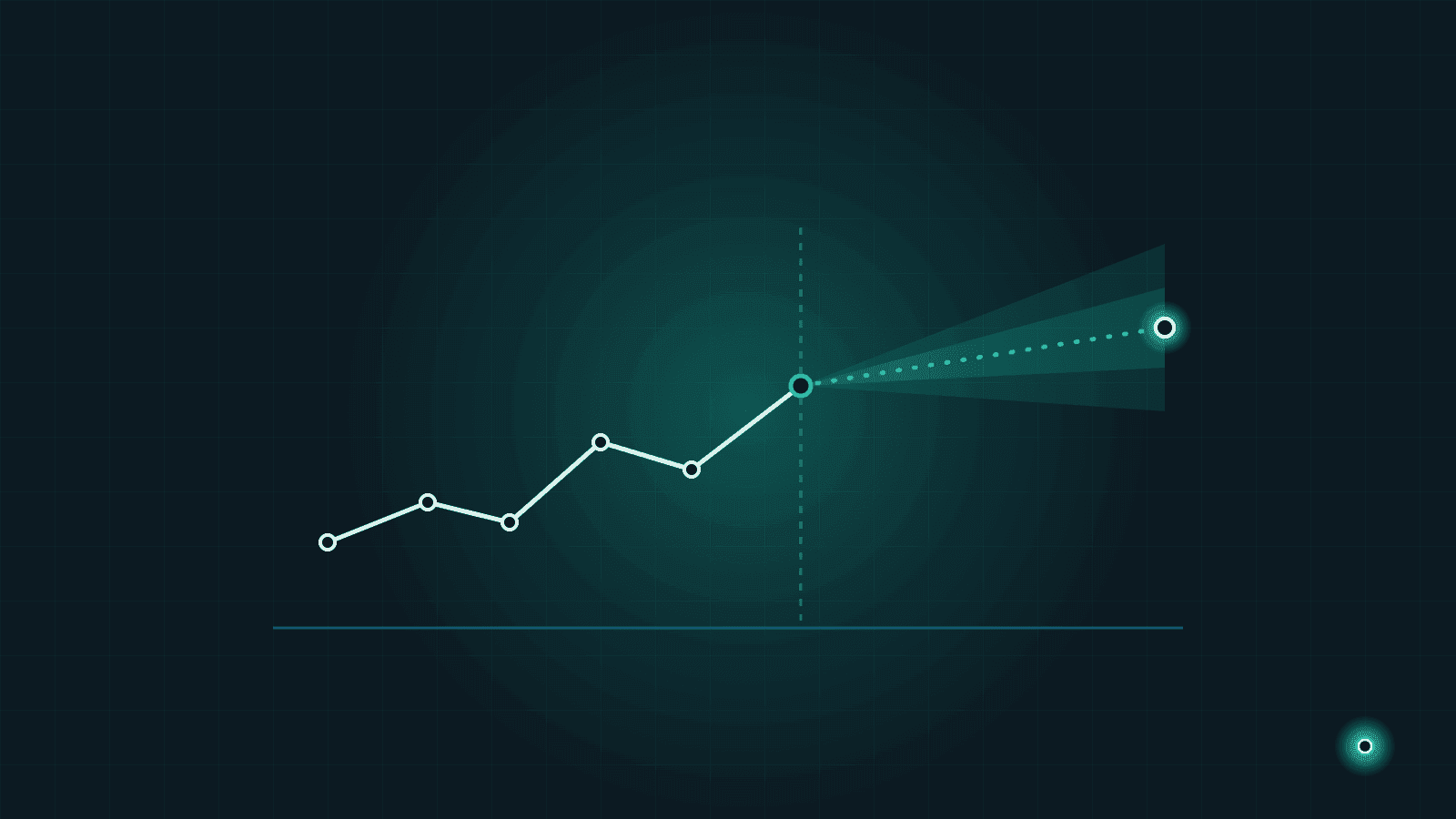
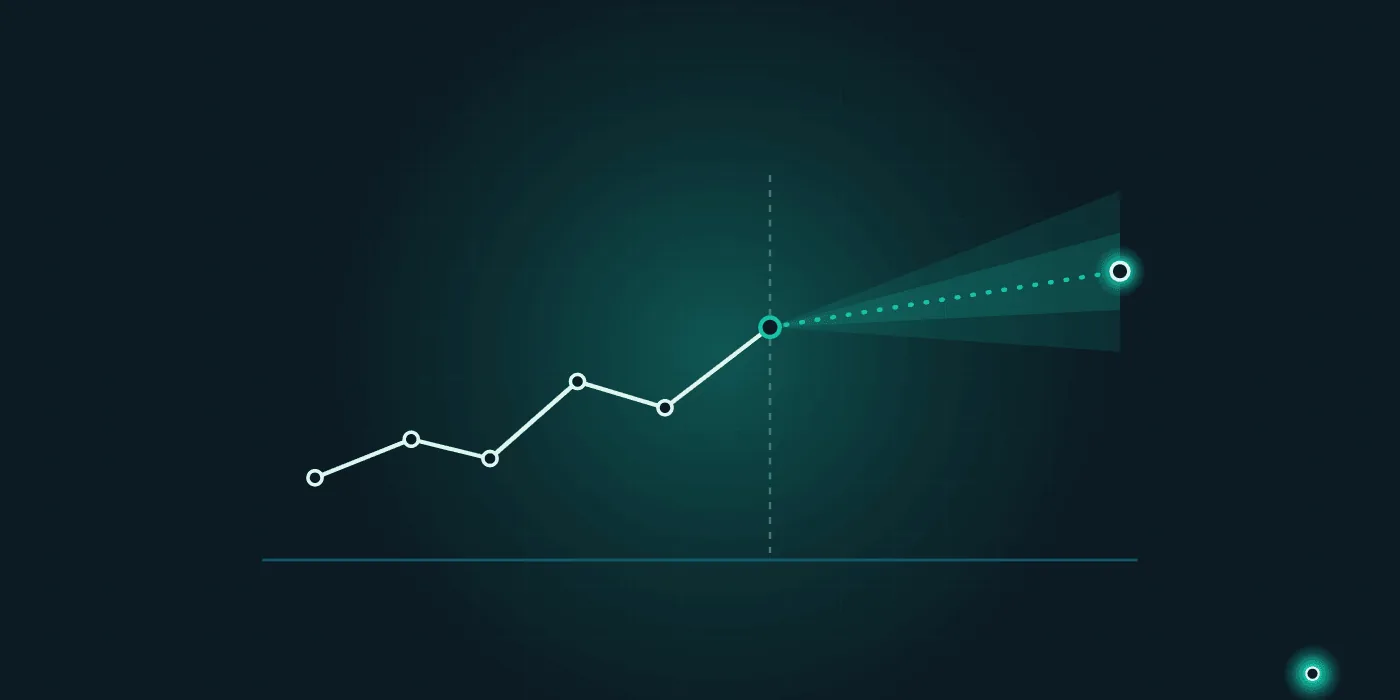
The answers lie in the future, yet no one has the luxury of seeing it. This is exactly where sales forecasting (or demand forecasting) comes in. Its goal isn't magic; it's to use the historical data you already have to produce a reasonable, numerical estimate of tomorrow's demand. Much like a weather forecast: it's never one hundred percent certain, but it's more than enough to help you decide whether to take an umbrella.
In this article we'll talk, without drowning in jargon, about what sales forecasting is, why it's so valuable for small businesses, the methods used to do it, and the most common traps to avoid.
What Does Sales Forecasting Actually Do for You?
A sales forecast is not just an "interesting number" on its own; it feeds almost every critical decision in your business. Its most concrete benefits:
- The right stock level: Excess stock is money sitting on a shelf instead of turning into cash; too little stock means lost sales and disappointed customers. A good forecast helps you strike the balance between these two extremes.
- Healthier cash flow: Being able to anticipate when and how much money will come in is the foundation of planning your payments, investments, and borrowing. Forecasting reduces cash-flow surprises.
- Better purchasing and production plans: Knowing when and how much to order from your supplier gives you both negotiating power and freedom from last-minute scrambles.
- Staffing and capacity planning: Knowing a busy period is coming lets you arrange shifts, temporary staff, or capacity calmly and in advance.
In short, forecasting moves a business from "seeing what happened after the fact" to "preparing for what's about to happen." That means proactive, planned management rather than reactive firefighting.
What Do You Need to Forecast?
The good news: you don't need expensive, complex artificial-intelligence systems to start forecasting. Three things are essentially enough.
First and most important is historical data. If you have at least one — ideally two or three — years of sales history, it very likely already contains the patterns you need. But there's a critical caveat here: a forecast is only as good as the data feeding it. A forecast built on inaccurate, incomplete, or duplicated records will mislead you even with the most advanced method. That old software saying — "garbage in, garbage out" — applies here too. So before you start forecasting, we recommend reviewing why data quality matters so much.
Second is recognizing two basic patterns in your data: trend and seasonality. Trend is whether your sales are generally rising or falling over the long term. Seasonality is the recurring fluctuation in certain periods: the summer surge for an ice-cream shop, the back-to-school rush for a stationery store, the pre-holiday peak for a gift shop. A good forecast accounts for both patterns together.
Third is knowledge of external factors: the campaigns you run, price increases or discounts, public holidays, weather, or competitor moves. Most of the sudden spikes in your past sales have one of these behind them, and adding them to the forecast improves accuracy considerably.
Forecasting Methods: From Simple to Advanced
Sales forecasting is not a single technique but a ladder of methods of increasing complexity. It's perfectly normal to start on the bottom rung.
- Using last year as a baseline: The simplest method assumes "whatever we sold this month last year, we'll sell something close to it this year." It sounds crude, but because it naturally captures seasonality it works surprisingly well and makes a good starting point.
- Moving average: You estimate the future by averaging the last few months (say, the last three). This method smooths out the noise of one-off fluctuations and makes the underlying trend easier to see.
- Trend + seasonality models: A step further are methods that calculate trend and seasonal fluctuations separately, then combine them. Applicable even in spreadsheets, these approaches cover most of what the majority of small businesses need.
- Machine-learning models: On the top rung are AI-powered models that weigh dozens of factors (price, campaign, weather, holidays, region...) at once. They are powerful, but they only make a real difference when you have plenty of clean data. We covered practical AI use cases for small businesses in a separate article.
The point isn't to start with the most advanced method; it's to start with the simplest one that fits your business and your data, and to move up as your needs grow.
Common Mistakes When Forecasting
Forecasting is a powerful tool, but used wrongly it can create a false sense of confidence. The most common traps:
- Treating a forecast as a promise: A forecast is a probability, not a guarantee. Rather than "we'll sell 1,000 units next month," it's healthier to think "we'll most likely sell between 900 and 1,100." That range also shows how much risk you're carrying.
- Locking onto a single number: Thinking through optimistic, pessimistic, and likely scenarios together produces a far more resilient plan than betting on one figure.
- Ignoring external factors: Mistaking last year's big-campaign spike for "normal demand" and inflating this year's forecast is a classic error. Unusual events in the data need to be flagged.
- Forecasting once and forgetting it: Markets, customers, and conditions change. A forecast is a living process; it should be regularly compared with actual sales and updated. Tracking that comparison on a dashboard is the most practical way.
Start Small, Move Step by Step
Sales forecasting is not the monopoly of corporate giants; with the right approach, a business of any size can do it. You might start like this: pick a few of your best-selling products, put their past sales into a tidy table, make a simple forecast based on the same period last year, and compare it with the actuals every month. Even this cycle alone builds the habit of "sensing" your numbers.
Over time, as your data infrastructure matures, you can move to more advanced methods. At the foundation of that journey is a tidy, reliable, centralized data structure — which usually begins with moving beyond Excel to a real database. Forecasting is really the natural next step of business intelligence: the move from understanding the past to planning the future.
Let's Start Predicting the Future Together
Sales forecasting turns the data in your hands from a "record of the past" into a compass that guides the future. Set up well, it means less waste, healthier cash flow, and far calmer planning. At Lumethis, we're by your side throughout this journey — from tidying up your business's data to building forecasting models that fit it. If you'd like to talk about where to begin, get in touch or explore the data and software services we offer.
Need help with this topic?
Contact Us