Customer Segmentation: Stop Offering Everyone the Same Thing
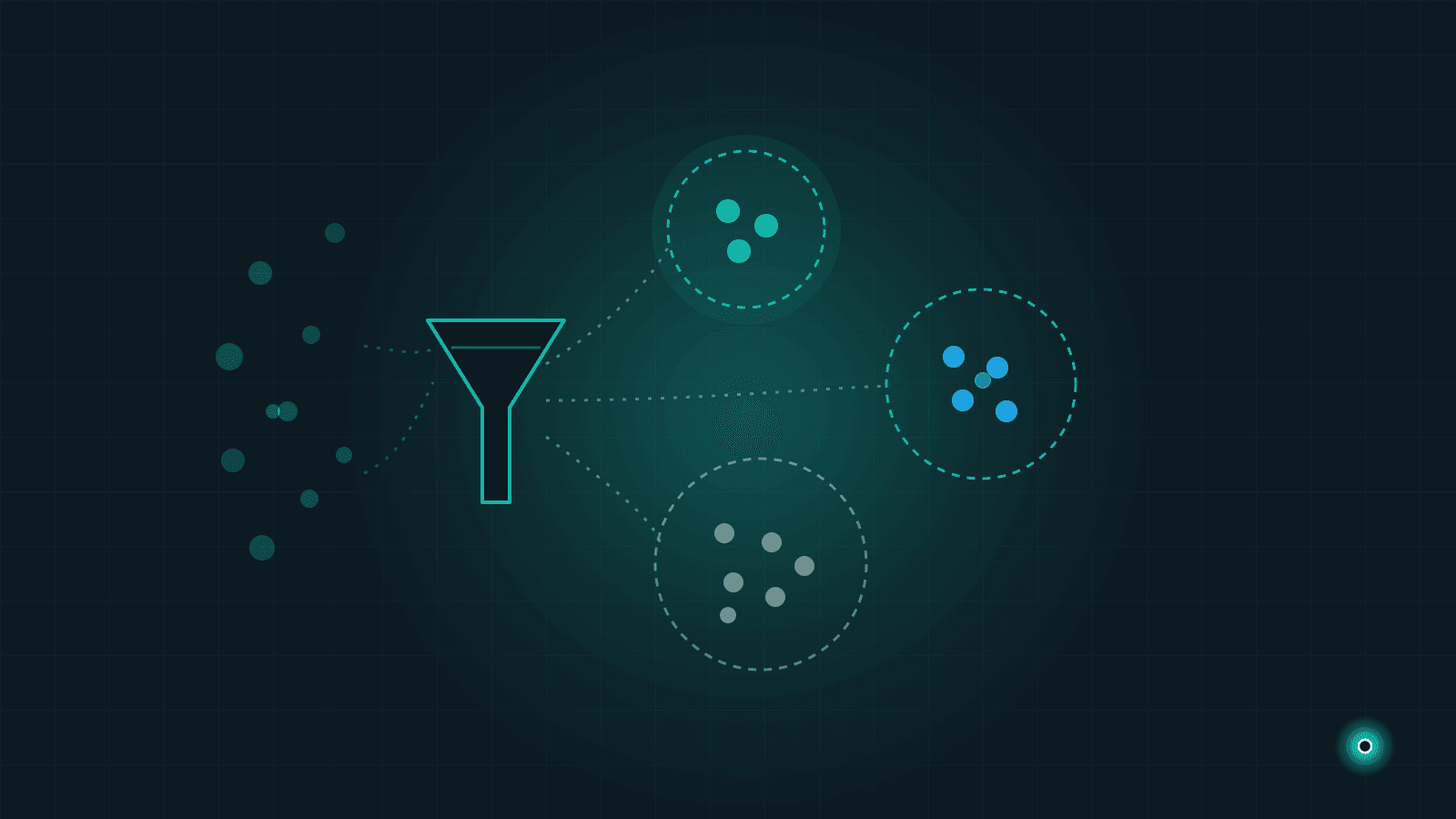
A corner-shop owner knows their customers. They know who buys the same newspaper every morning, who drops in once a month and fills a basket, who only shows up when there's a discount. With that knowledge they treat everyone differently: "I set your paper aside," they tell one, while showing another the new arrivals.
As a business grows, that intuitive knowledge disappears. Knowing hundreds or thousands of customers individually becomes impossible, and most businesses take the easy road: sending everyone the same message, the same campaign, the same offer. The result is usually disappointing — loyal customers get discounts they didn't need, customers about to churn go unnoticed, and the most valuable customers don't feel special at all.
Customer segmentation is how you win back the shopkeeper's intuition using data. In this article we'll cover what segmentation is, which methods exist, and walk through one of the most practical approaches step by step.
What Is Customer Segmentation?
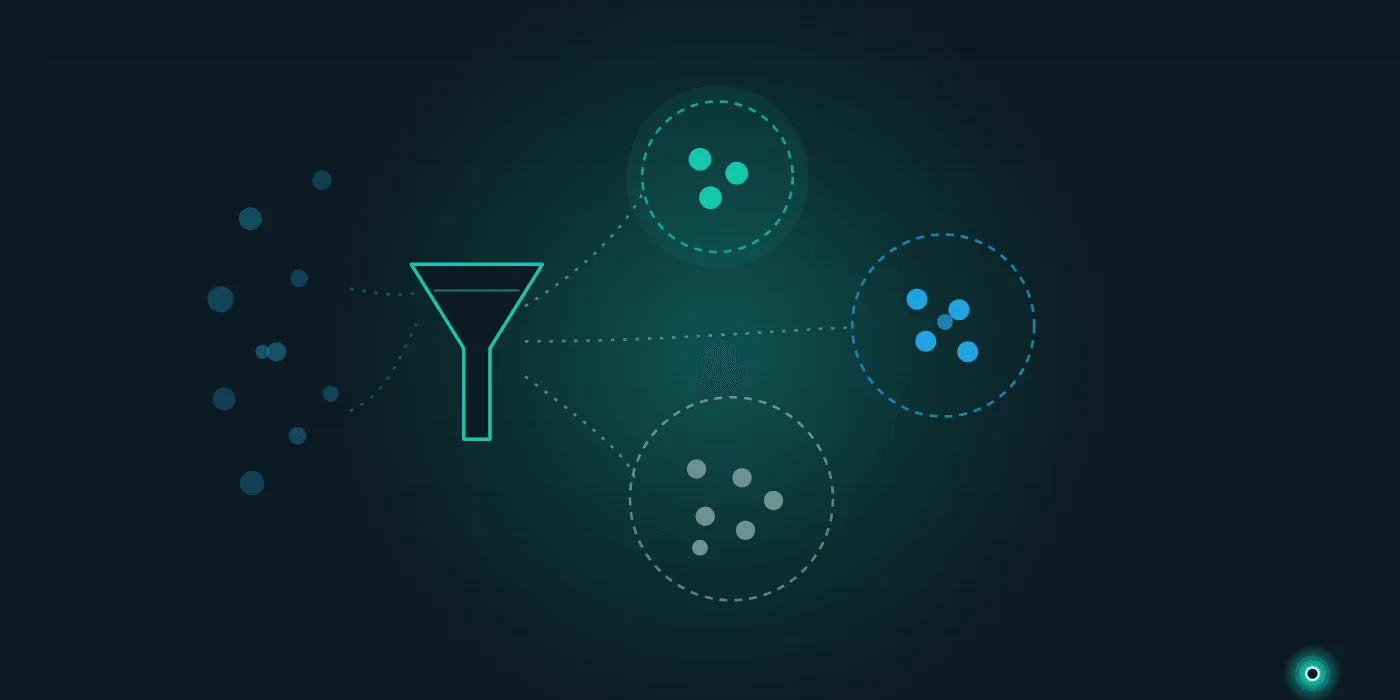
Customer segmentation is the practice of dividing your customers into meaningful groups based on shared characteristics. The goal is to escape the assumption of "one average customer" — because that average customer never actually exists.
What matters is splitting groups in a way that's useful to your business. A good segment does three things: the customers inside it resemble one another, it's clearly distinct from other segments, and you can take a specific action for it. If you look at a group and can't answer "so what do we do with these people?", that segment probably isn't useful.
Why Is It Worth the Effort?
Segmentation isn't a fancy analytics exercise; it's work that touches profit directly:
- Marketing budget stops leaking: Instead of sending the same campaign to everyone, you focus on the group most likely to care. The same budget yields more conversions.
- You keep loyal customers: Being able to identify your most valuable customers lets you give them real attention. Winning a new customer is almost always more expensive than retaining an existing one.
- You catch churning customers in time: If a group used to buy regularly and hasn't been seen lately, spotting that early is your chance to win them back.
- Product and stock decisions get clearer: Knowing which group buys what shapes both product development and how much inventory you hold.
- Communication becomes personal: People respond to messages that feel written for them. Segments are the cheapest route to personalization.
What Can You Segment By?
There's more than one lens for segmentation, and most businesses combine them:
- Demographic: Age, gender, occupation, company size (in B2B, industry and headcount). It's the easiest data to get, but on its own it can stay superficial.
- Geographic: City, region, even neighborhood. Powerful for delivery, store and regional campaign decisions.
- Behavioral: How often they buy, which category, whether they only buy on promotion, which channel they use. This is usually the most valuable kind, because it reveals intent.
- Value-based: Total revenue and profitability a customer brings. Remember that your "biggest spender" and your "most profitable" customer may not be the same person.
If you're starting from scratch our advice is clear: begin with behavioral and value-based splits. They pay off far faster than demographics.
A Practical Start: The RFM Approach
Before reaching for complex models, there's a powerful method you can run with the sales records you already have: ask three simple questions about every customer.
- When did they last buy? (Recency) — How long since their last purchase? Someone who bought last week is not the same as someone unseen for two years.
- How often do they buy? (Frequency) — A one-time purchase, or a regular visitor?
- How much have they spent? (Monetary value) — What's their total business with you?
Score customers high/medium/low on these three measures and remarkably expressive groups emerge on their own. The beauty of this approach is that it needs no complex software — a tidy sales table and a bit of effort will do.
Turning Segments into Action
Producing segments is only half the job; the real value is deciding what to do with each group. Here are common groups and sensible actions:
- Champions (bought recently, often, and a lot): Retain them. Priority support, early access, a thank-you — give privilege, not discounts.
- Loyal but small basket (frequent, low spend): An upsell opportunity. Complementary product suggestions and bundles work well here.
- At risk (used to be regular, absent lately): The most urgent group. A personal reminder or win-back offer is timely.
- New customers (first purchase): Getting to the second purchase is critical. A good welcome flow noticeably changes how many of this group become loyal.
- Dormant (inactive for a long time): Probe them with low-cost, automated campaigns; don't spend big budget here.
One caution: you must do something different for each segment. If you're going to send the same campaign to five groups, there was no point segmenting.
Common Mistakes
Segmentation looks simple but is easy to waste. The most common traps:
- Producing too many segments: Fifteen groups looks analytically impressive but is unmanageable. Starting with three to five meaningful groups beats doing nothing with fifteen theoretical ones.
- Building segments once and freezing them: Customers move between groups; today's champion may be at risk six months from now. If segments aren't refreshed regularly, they stop reflecting reality.
- Looking only at revenue: Your biggest spender may not be your most profitable customer if their return rate or cost to serve is high. Factor in profitability where you can.
- Analysis with no action: This is the most frequent failure. A report gets prepared, presented and shelved. If each segment doesn't have an owner and an action, the work isn't finished.
Where to Begin
The quality of your segmentation depends entirely on the data beneath it. If the same customer sits in your system as three separate records, you can't tell which group they belong to. So before you start, we recommend reviewing why data quality is so critical; and consolidating customer, order and product information in one place usually comes down to ERP, CRM and e-commerce integration.
The rest is about simplicity: don't start with all customers — start with your highest-revenue product or channel; produce three or four segments; define a single action for each and measure the result. To clarify which metrics to watch, our guide to choosing the right KPIs can help. And if you want a broader frame, our data analytics guide for SMEs is a good starting point.
Let's Get to Know Your Customers Together
Customer segmentation isn't about "collecting more data"; it's about making the data you already have meaningful. Done right, your marketing budget works harder, loyal customers stay, and every customer receives a message that feels written for them. At Lumethis we're with you through the whole process — from tidying your customer data to building segment models and making the results visible on a dashboard. If you'd like to talk it through, get in touch or explore the data and software services we offer.
Need help with this topic?
Contact Us